LA Wildfire Prediction Markets: How Polymarket Prices Fire Risk
Polymarket and Kalshi both run wildfire markets when LA burns. Here's how the contracts are structured, how to trade them safely, and what the January 2025 fires taught us.

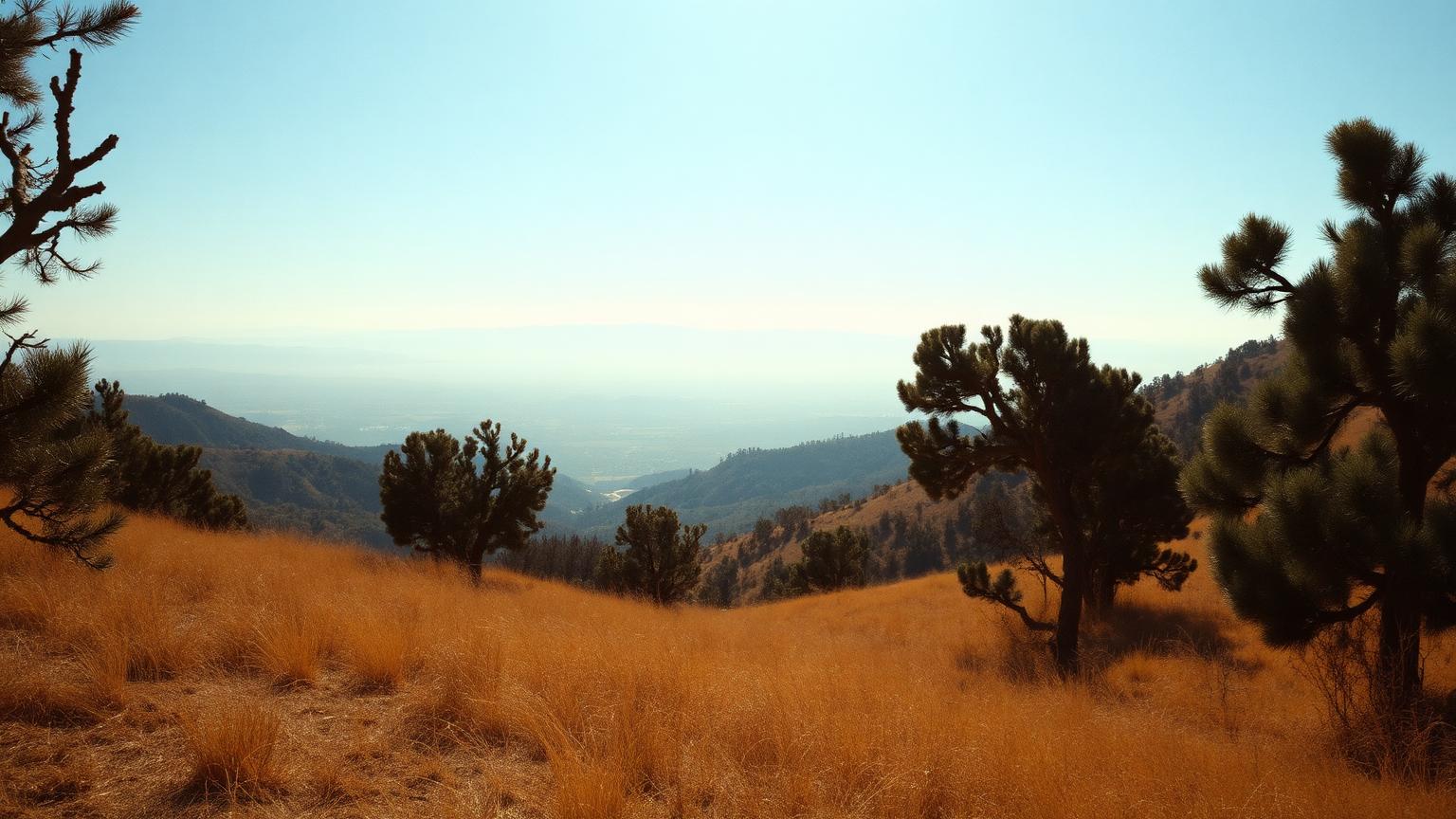
- Three live market types: seasonal acreage (Kalshi), named-fire containment (Polymarket), Red Flag Warning counts (Kalshi).
- Liquidity spikes 5–10x during active fire events; spreads tighten to 1–2¢.
- Correlated thesis: El Niño/ENSO contracts move LA fire-acreage prices.
- Settlement source: CAL FIRE official statistics, not media counts.
Affiliate disclosure: We may earn a commission if you sign up through links on this page, at no extra cost to you. This doesn't influence our editorial content.
Quick answer
When a major Los Angeles wildfire breaks out, Polymarket and Kalshi both spin up live markets within hours — typically acreage bands ('How many acres will the fire burn by Sunday?'), evacuation thresholds, and containment-percentage markets. The January 2025 Palisades and Eaton fires generated $1.2M+ in combined Polymarket volume in 5 days. This guide explains how to trade them — and how to do so without rooting for disaster.
Acreage settlement, named-incident dates and Red Flag Warning counts referenced below resolve to CAL FIRE's official statewide incident database. [source: CAL FIRE Statewide Incidents]
Three contract types you'll see
1. Acreage band markets
Polymarket's most-traded fire contract type. Example from January 2025: 'How many acres will LA wildfires burn by Sunday?' with bands at <30k, 30–40k, 40–50k, 50–60k, 60–70k, 70–80k, 80k+. Each band trades independently. Resolved at the final band that contains the actual acreage.
2. Named-fire binary markets
Example: 'Sunset wildfire burns 1k+ acres by Sunday?' — a single yes/no. Used early in a fire's lifecycle when the spread direction is uncertain. Tighter spreads, faster resolution.
3. Containment / cause markets
Kalshi has run markets on '90% containment by date X' and 'Fire determined to be arson.' Polymarket has experimented with the same. Lower liquidity but useful for tail-risk trading after the initial volume spike fades.
What January 2025 taught the market
The Palisades fire's final acreage market resolved at 40–50k acres — a band that traded at 6% on day one and 100% on day five. The early acreage markets dramatically under-priced large-fire scenarios because models trained on average-California-fire data didn't capture Santa Ana-driven urban-interface dynamics. Two takeaways:
- 1.Day-one acreage markets systematically under-price the largest band when Santa Ana conditions are active
- 2.Containment markets over-price fast-resolution scenarios — buyers of 'low containment' bands at 5¢ saw them hit 100%
How to trade safely
- •Limit orders only — market orders during a fire-news spike will cost you 15–30¢ of spread
- •Trade after the first 4 hours — initial pricing is noise; real signal appears once Cal Fire posts an official perimeter map
- •Hedge with the 'lower band' contract — counter-intuitively, the smallest acreage band is often free-money insurance against the fire being contained quickly
- •Don't pyramid — wildfire markets resolve in days. There's no rebuy opportunity if you're wrong
Seasonal evergreen contracts
Beyond episodic named-fire markets, both platforms run 2026-season cumulative markets:
| Market | Platform | Resolution |
|---|---|---|
| 2026 California acres burned >1M | Polymarket | Dec 31, 2026 |
| 2026 California fire fatalities >50 | Polymarket | Dec 31, 2026 |
| 2026 'Above-normal' Cal Fire seasonal classification | Kalshi | Oct 2026 NIFC outlook |
| 2026 Red Flag warning days in LA County | Kalshi | Dec 31, 2026 |
The El Niño cross-trade
California wildfire acreage correlates -0.4 with El Niño years — a meaningful but imperfect inverse relationship. If you've bought 'El Niño declared 2026' on Polymarket, you're already implicitly short the '>1M acres burned' contract. Don't double up on the same thesis; consider the El Niño contract as a fire hedge already.
A note on responsible trading
Fire markets aren't rooting for catastrophe — they're price-discovery mechanisms that help reporters, insurance modelers, and emergency planners. Set position limits, never trade on inside information (e.g., your friend at Cal Fire), and consider donating a portion of fire-market winnings to the affected communities. The California Community Foundation maintains a dedicated wildfire relief fund.
Last reviewed by Catie Di Stefano on August 7, 2026. We re-verify market prices, polling, and citations on every update.
Frequently Asked Questions
Related guides


Pillar pages
Sources & references
- 1.CAL FIRE — Statewide Fire Statistics — fire.ca.gov
- 2.NOAA Climate Prediction Center — ENSO Outlook — NOAA CPC
- 3.California Department of Water Resources — Snow Surveys — water.ca.gov
- 4.National Hurricane Center — NOAA / NHC
- 5.Commodity Futures Trading Commission — Event Contracts — CFTC.gov
External links open in a new tab. We cite primary regulatory and major news sources where possible. Citations to trusted regulators (CFTC, SEC, IRS, NOAA, .gov, .edu) are dofollow; commercial outbound links are not endorsements.
Catie Di Stefano has spent 15 years working with online gambling across some of the most regulated and competitive gambling markets in the world.
Starting at Betsson Group in Malta in 2011, she has in recent years worked her way through VIP management, CRM, gamification and marketing leadership across European and North American operations. Catie was a licensed consultancy for Hard Rock Casino in New Jersey, where she held a DGE vendor license and owned the execution of the online CRM program from launch day in 2018.