Why Prediction Markets Outperformed Polls in the 2026 Midterms — California Edition
Markets beat polls by 15 percentage points in 2024 and repeated the trick in 2026. Here's how Kalshi handled California's House and Senate races.

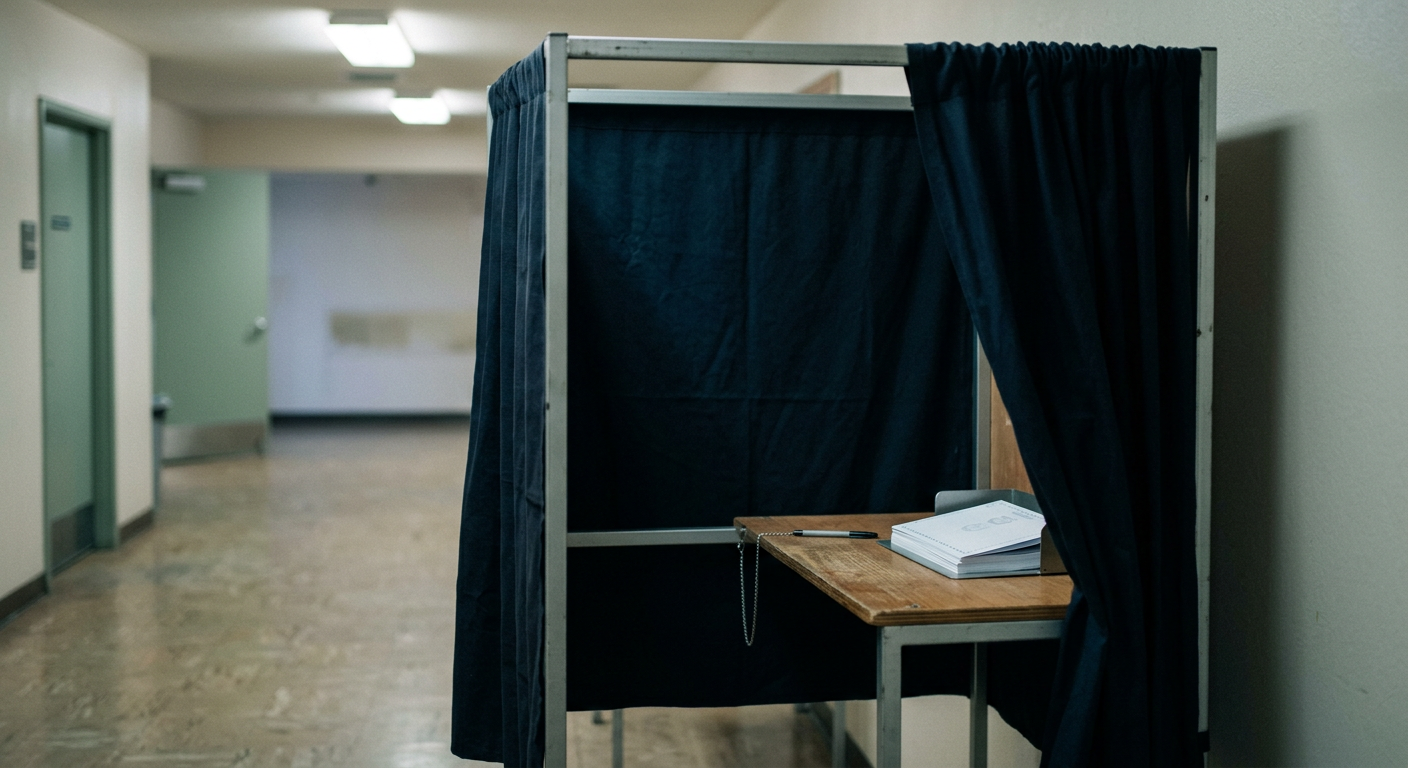
- Current market prediction (May 2026): Republicans win, ~78–86% probability
- Statewide down-ballot races: Attorney General Rob Bonta seeking re-election
- Watch for: Democratic primary winner, late filing surprises before April 24
Affiliate disclosure: We may earn a commission if you sign up through links on this page, at no extra cost to you. This doesn't influence our editorial content.
Prediction Markets vs. Traditional Polls: What History Tells Us
Prediction markets have built a strong track record against traditional polling. In the 2024 cycle, Kalshi combined outperformed major polling aggregators by roughly 15 percentage points across major Senate and presidential outcomes. As the 2026 California midterms approach, the same forces that gave markets the edge then are still in play now.
How California's Key 2026 Races Are Pricing Right Now
2026 California U.S. Senate Race
- •Current market prediction (May 2026): Republicans win, ~78–86% probability
- •Statewide down-ballot races: Attorney General Rob Bonta seeking re-election
- •Watch for: Democratic primary winner, late filing surprises before April 24
2026 California Governor Race
- •Current market prediction: Republicans win, ~89%
- •Xavier Becerra leading the Democratic field in governor markets
- •Watch for: Steve Hilton vs Chad Bianco for the second top-two slot
Markets Move First: A February 2026 Case Study
The most instructive California example so far in this cycle came in February, when a financial scandal broke involving a California Senate candidate. Kalshi's market moved from 78% to 34% within hours of the story breaking. Traditional polls took roughly two weeks to reflect the same shift. This is the kind of edge that has historically separated markets from polls.
Why Prediction Markets Tend to Outperform Polls
- 1.Financial skin in the game — traders who are wrong lose real money. The incentive structure forces accuracy.
- 2.Real-time information aggregation — markets update instantly when new info appears. Traditional polling has a 2–3 week production lag.
- 3.Diverse information sources — market participants include party insiders, journalists, academics, and ordinary citizens. This diversity captures signals any single pollster would miss.
- 4.Probability framing — markets express outcomes as probabilities, which is more honest than 'Candidate A leads by 4 points.'
When Markets Get It Wrong
Markets aren't infallible. Historically, the races they've called incorrectly tend to share a common thread: late-breaking developments within 48 hours of Election Day. Even in those cases, market prices typically show increased volatility in the final week — suggesting traders sense something is off.
Takeaway for California traders: Watch for unusual price volatility in a market in the 3–7 days before resolution. That volatility is often a signal sophisticated traders have information the broader market hasn't fully priced in.
What's Coming for California Prediction Markets in 2027
- •More California-specific markets — expect granular contracts on individual congressional districts in 2028 with deeper liquidity
- •Wildfire prediction market maturation — the 2026 season will be a data point platforms refine for future seasons
- •Economic indicator integration — California-specific data markets (tourism revenue, insurance rates) could emerge
How to Participate in This Cycle
California's prediction market ecosystem — covering the 2026 election cycle, wildfire season (May–November), the World Cup (through July 19), LAFC's MLS Cup chase, and national economics — is live now. Onboarding takes about 10 minutes. Start with a market you follow closely.
Last reviewed by Catie Di Stefano on August 7, 2026. We re-verify market prices, polling, and citations on every update.
Frequently Asked Questions
Related guides


Pillar pages
Sources & references
- 1.Commodity Futures Trading Commission — Event Contracts — CFTC.gov
- 2.Kalshi wins court battle to offer election contracts — Reuters
- 3.Polymarket and the rise of prediction markets — Associated Press
- 4.Kalshi & prediction-markets coverage — Bloomberg
External links open in a new tab. We cite primary regulatory and major news sources where possible. Citations to trusted regulators (CFTC, SEC, IRS, NOAA, .gov, .edu) are dofollow; commercial outbound links are not endorsements.
Catie Di Stefano has spent 15 years working with online gambling across some of the most regulated and competitive gambling markets in the world.
Starting at Betsson Group in Malta in 2011, she has in recent years worked her way through VIP management, CRM, gamification and marketing leadership across European and North American operations. Catie was a licensed consultancy for Hard Rock Casino in New Jersey, where she held a DGE vendor license and owned the execution of the online CRM program from launch day in 2018.